Once an operator has more than one outlet, the question of where food is produced becomes a real decision rather than a default. Each option carries a different cost structure, a different licensing position, and a different set of risks, and none of them is the right answer for every business.
The useful question is not which model is best. It is which model fits your menu, your volume, your capital position, and what you are actually trying to fix.
Start with the problem you are solving
Operators usually arrive at this question for one of four reasons: kitchen space in prime locations is too expensive, consistency across sites is slipping, skilled kitchen labour is hard to hire and retain, or they want to test a new brand without committing to a full site.
Those are four different problems, and they point to different answers. Being honest about which one applies to you narrows the decision considerably.
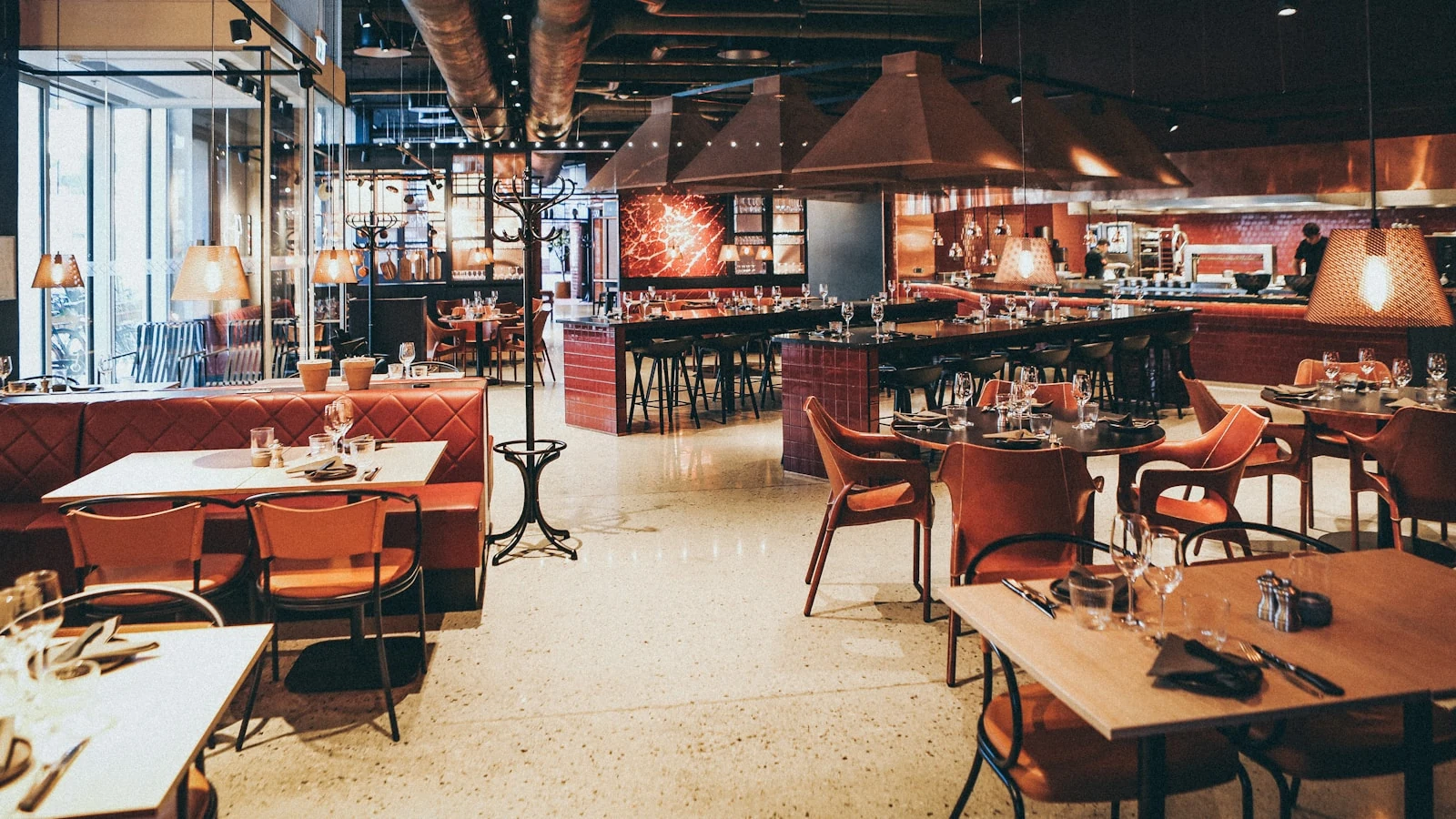
Cooking on site
Full production in each outlet gives you the most control over quality and the most flexibility to change a dish or respond to what is selling on the day. It suits menus where freshness at the point of service is the product, where dishes are finished to order, and where the chef on site is part of what customers are paying for.
The trade off is that you are paying prime location rent for kitchen space, duplicating equipment at every site, and needing skilled staff in every kitchen. Consistency depends on the strength of your people at each location. As the number of sites grows, so does the difficulty of holding a standard.
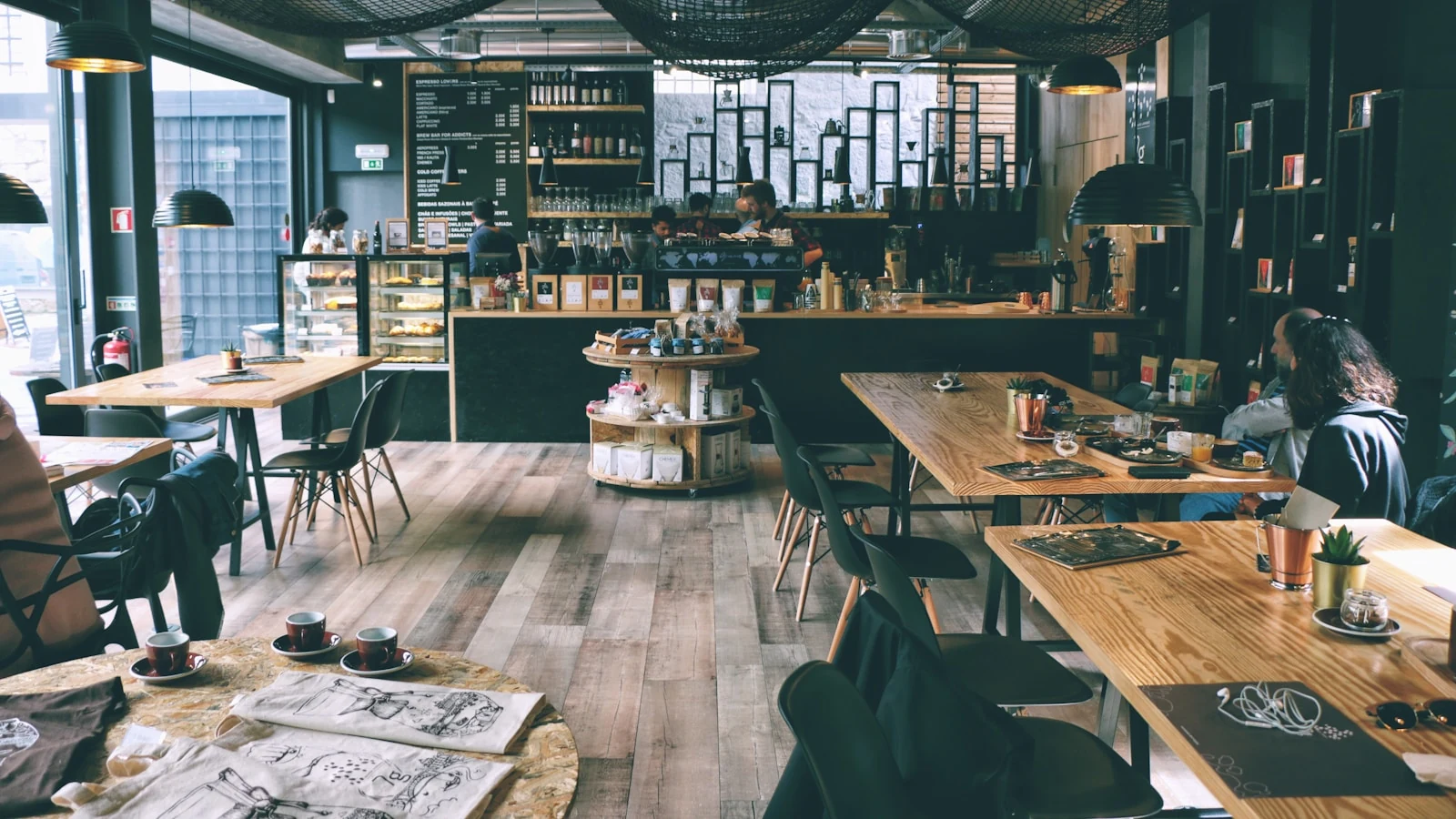
Producing from a central kitchen
A central kitchen moves preparation to cheaper space and concentrates skill in one place. Outlet kitchens become smaller and simpler, which reduces both rent and the level of skill required on site. Buying improves because you are ordering in larger volumes to one location, and consistency tends to improve because the base products come from a single source.
The trade off is capital and commitment. You take on a separate lease, separate equipment, separate licensing as a food processing or catering establishment, and a logistics operation with cold chain requirements. A central kitchen only makes sense above a certain volume, and it can become an expensive fixed cost if outlet numbers fall or if the menu changes in ways the facility cannot handle.
It also suits some menus far better than others. Items that hold well and finish quickly on site work. Menus built around a la minute cooking often do not.
Operating from a cloud kitchen
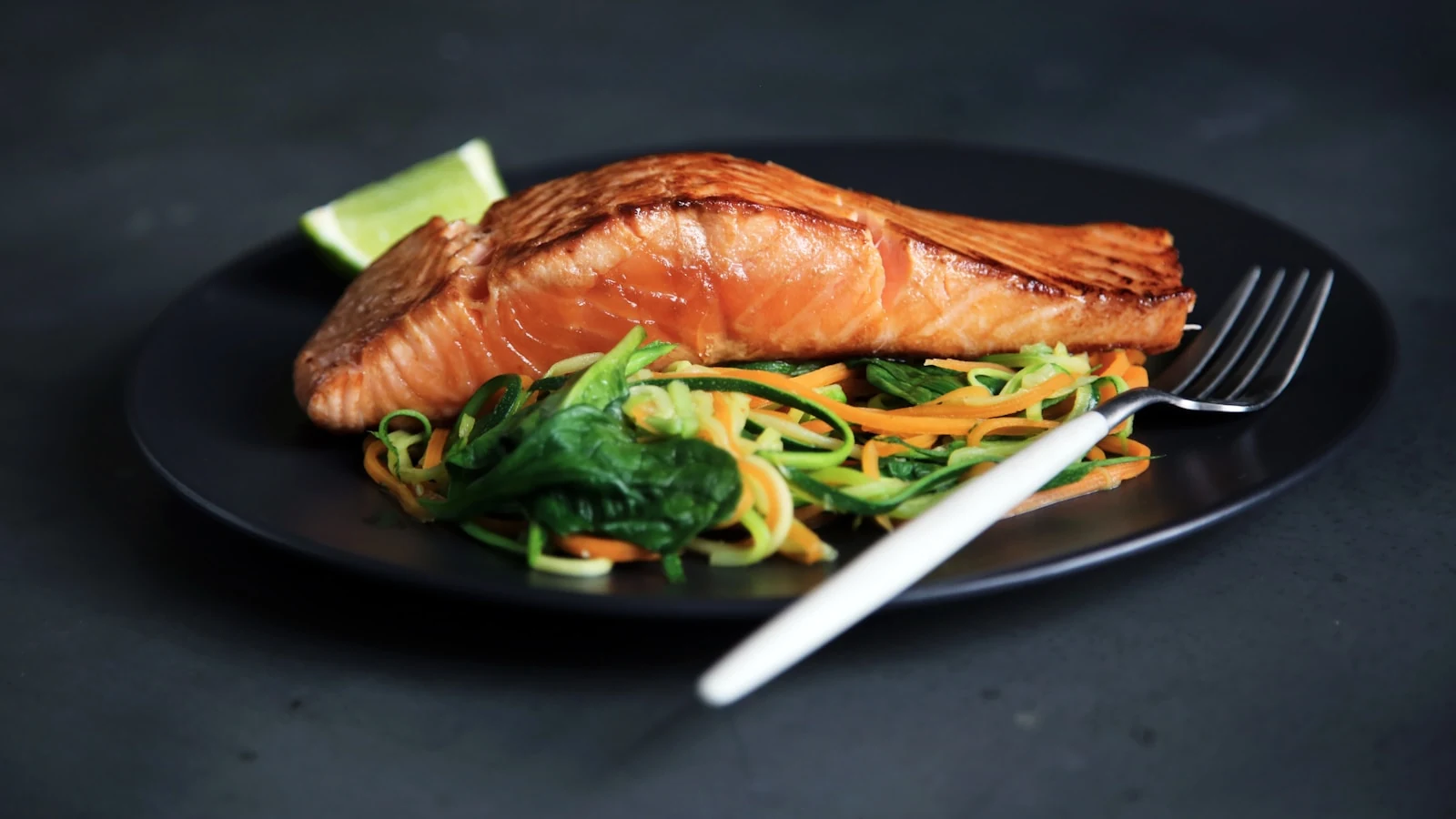
A cloud kitchen, producing for delivery without a dining room, has the lowest entry cost and the shortest commitment. For an operator wanting to test whether a concept has demand in a particular part of Singapore, or to extend an existing brand\'s delivery reach without a new shopfront, it is a comparatively low risk way in.
The trade off is the economics of delivery. Platform commissions, packaging, and the absence of beverage and dessert attachment change the contribution per order significantly compared with dine in. There is also no walk in trade and no physical presence, so the brand has to work entirely through the platform. Businesses whose appeal is the room and the service do not translate well.
The questions that usually settle it
Volume: is your combined production high enough that a central facility would be meaningfully utilised, or would you be paying for capacity you do not use?
Menu: how much of what you sell can be prepared in advance without any loss to what the customer receives?
Labour: is your constraint the cost of kitchen staff, or the availability of people with the right skill? Those lead to different solutions.
Capital: could you carry the fit out, the equipment, and the licensing for a separate facility, and still have reserve if one outlet has a slow quarter?
Brand: is your value in the plate, or in the room? If it is in the room, be careful about any model that separates you from it.
Testing before committing
There is a sensible middle path that operators often overlook. Before committing to a facility, run the central production model for a limited part of the menu out of your largest existing kitchen, in the hours when it is otherwise quiet. You will learn what actually holds, what the transport adds, and what the labour saving really is, at a fraction of the cost of finding out with a signed lease.
Salt and Ledger works with multi site operators on exactly these decisions, from operations and workflow review through to the financial model behind the option you choose, including break even and payback analysis and the licensing implications of a change in format.
If you are weighing up how and where to produce as you grow, email info@saltandledger.com.sg with how many sites you run and what is prompting the question. We will come back with what we would examine first.